COLOR
CHOICES
Glaze colors vary firing to firing, not to mention variations in
photo exposures, therefore a few examples are given with each color to show the
variations.
Also
keep in mind when choosing more than one color, contrasting light-dark colors
work the best. There are a couple terms I'll be using and some information
about glazes that could be helpful in choosing your glaze color:
--------
"Breaking"
refers to a glaze
that turns darker on the high points like rims, handles, decoration and
'throwing rings' (finger marks made in the clay from throwing on the wheel) or
where glaze is applied thinly. Breaking glazes have depth, beauty and
interest, but not all glazes break. Among my glazes that break are the
"washed glazes", rust and the opal.
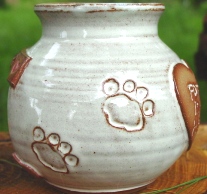
Transparent
glazes look more like 'glass'as if you can
almost 'see' through the glaze, often these are the glazes that 'break' and are
glossy.
Opaque
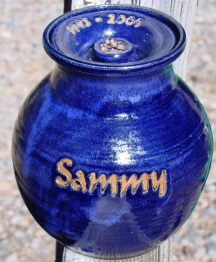
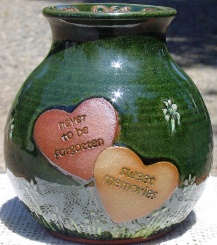
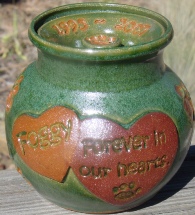
glazes are more dense,
richer in color and have a beauty of their own. My opaque glazes are deep
blue, deep green, rust, white & black.
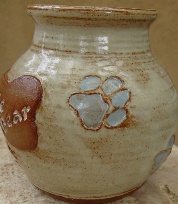
STAINED
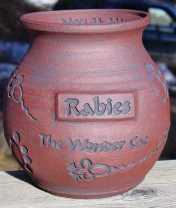
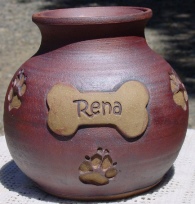
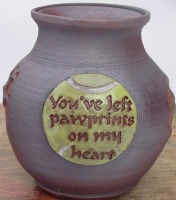
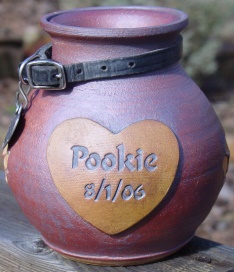
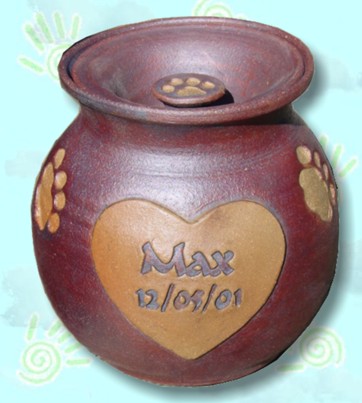
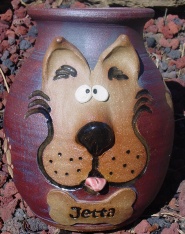
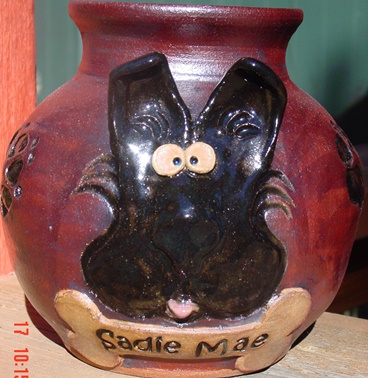
This is the
only color that isn't actually a glaze, it's an iron oxide stain, therefore what
you are actually looking at is the natural clay coming through.
This technique gives a more earthy quality to the peice and isn't glossy, but a
matte finish and slightly rough to the touch for the difference here between a
stain and a glaze is that a glaze actually melts to the pot creating a
glass-like finish. So if you like the color but would prefer that kind of
finish, you might opt for the rust glaze
instead of the stained effect.
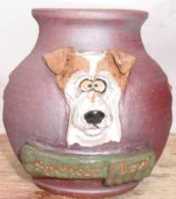
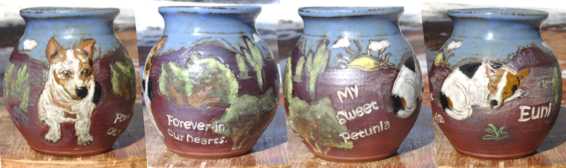
The
combination of glaze and stain is a nice contrast, like these examples above.
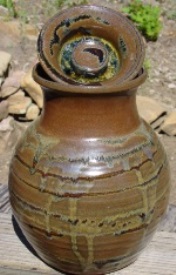
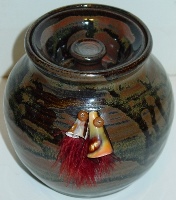
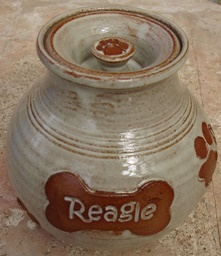
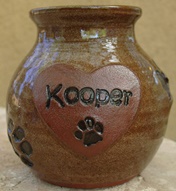
RUST
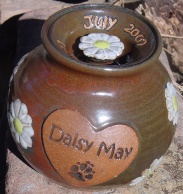
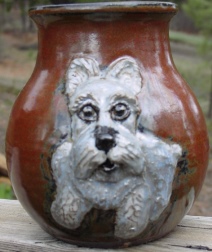
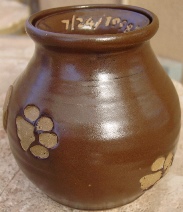
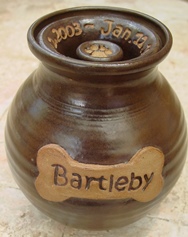
This glaze will fluxuate or "flush"
brown to rust giving some interest to the pot or urn. I'm heart broken, I
lost the rust red and now it's more brown like Bartleby example. I'm
working at restoring the rusty red, holding my breath...
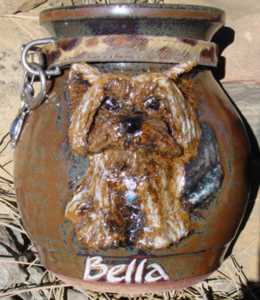
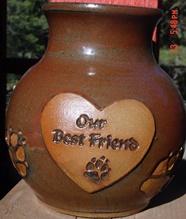
These urns below have another color dripped over to give
this unique effect.
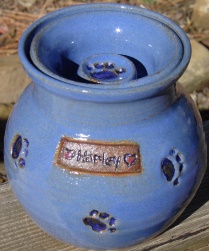
WASHED
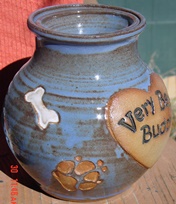
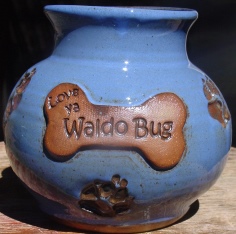
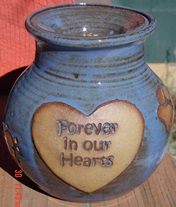
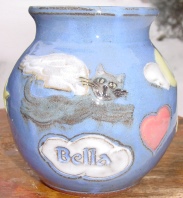
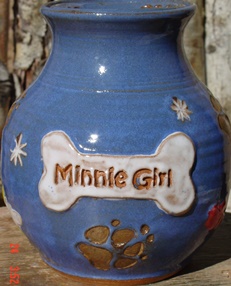
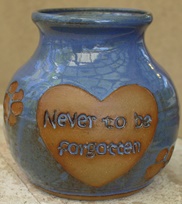
BLUE
This is one of the most popular of my glazes for
it "breaks" and fluxuates according to how thickly the glaze is applied.
WASHED
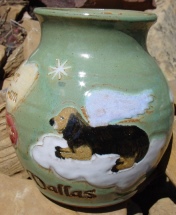
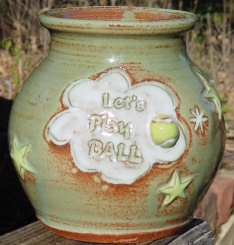
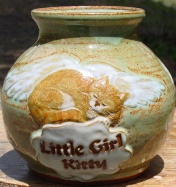
GREEN
This glaze breaks and fluxuates the same as the other
washed glazes depending on the thickness of the glaze application.

WASHED WHITE
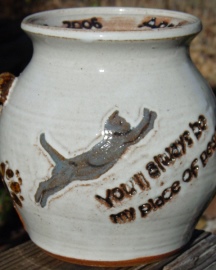
This is a white glaze that
breaks to brown, the thinner the application, the more hints of brown so
throwing rings or stamped images show up well as glaze is slightly transparent
as well.

BRIGHT WHITE
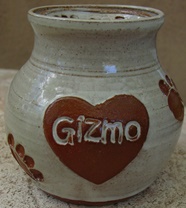
This white is similar to the
washed white only it's a little more of a consistant white and it doesn't break
to brown, more opaque.

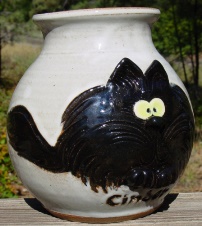
DEEP BLUE
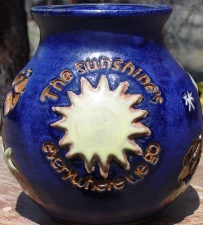

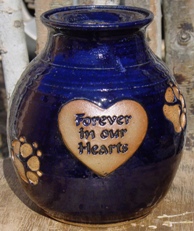
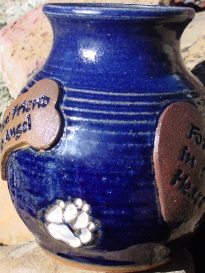
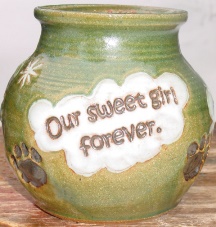
DEEP
GREEN
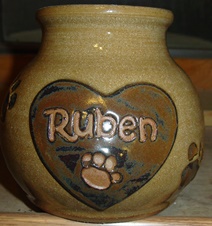
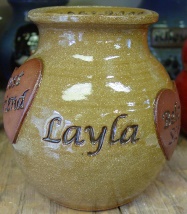
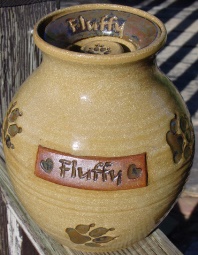
LIGHT TAN
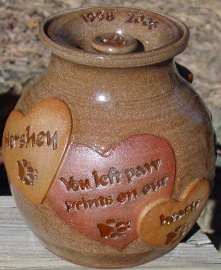
The tan glazes
are merely clear glazes on two different colored clays.
DARK TAN
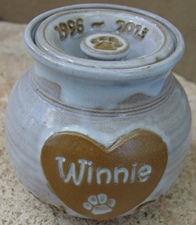
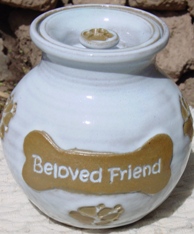
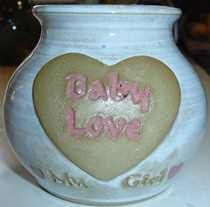
OPAL
A pretty glaze, jazzier than my White Glaze, with slight hints of purplish-pink
and slight breaking and a little runny, does interesting things when a little
thick or overlapped with another glaze.
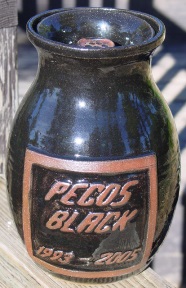
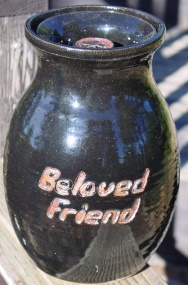
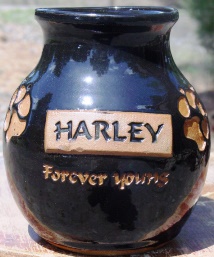
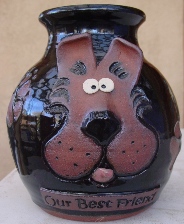
BLACK
Back to Cheers' Pottery Custom Pet Urns
HOME